1961
5,965,000
5,965,000
7,633,504
+1,668,504
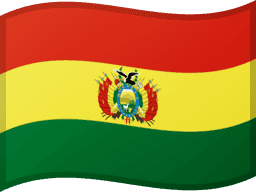
Bolivia is a landlocked South American gem where the highlands are alive with woolly wonders! Home to llamas, alpacas, and a rich Andean culture, this plurinational nation offers shear brilliance from salt flats to cloud forests. Ewe won't be disappointed!
Bolivia spans the high Andes plateau (Altiplano), tropical Amazon lowlands, and dry Chaco plains. Lake Titicaca sits on its western border, while the Andes peaks include Nevado Sajama. The country has no coastline but boasts incredible elevation diversity.
Bolivia declared independence from Spain in 1825, named after liberator Simón Bolívar. It endured the War of the Pacific, losing its coast to Chile in 1884. The 20th century brought political upheaval, revolutions, and in 2006, Evo Morales became its first indigenous president.
Bolivia's culture blends indigenous Aymara and Quechua traditions with Spanish colonial influences. The Oruro Carnival is a UNESCO-recognized festival of vibrant costumes and dance. Weaving is a sacred art, and wool textiles from alpaca and sheep fleece are prized cultural treasures.
Bolivia's economy relies on natural gas exports, mining (tin, silver, lithium), and agriculture. It holds some of the world's largest lithium reserves. Llama and alpaca herding on the Altiplano also contribute, with wool and meat supporting highland pastoral communities.
Bolivian cuisine features hearty dishes like salteñas (baked meat pastries), fricasé (pork stew), and llajwa chili sauce. Quinoa and potatoes are staple crops. Lamb and alpaca are common proteins in Andean regions, making every meal a woolly warm delight.
Top destinations include the otherworldly Salar de Uyuni salt flat, the historic city of Potosí, Lake Titicaca, and the colonial capital Sucre. La Paz, the world's highest administrative capital, dazzles with markets and cable car views. A flock of wonders awaits!
Bolivia's population of roughly 12 million is one of South America's most indigenous-majority nations, with Quechua and Aymara peoples forming large communities. Spanish is the official language alongside 36 recognized indigenous languages. The people are known for warmth, resilience, and vibrant cultural pride.
Bolivia hosts extraordinary biodiversity across Amazonian rainforest, Andean páramo, and wetlands. Madidi National Park is one of the world's most biodiverse. Flamingos flock to high-altitude lagoons, and vicuñas — wild relatives of alpacas — roam the Altiplano in woolly elegance.
Bolivia has two capitals: Sucre (constitutional) and La Paz (seat of government). The Salar de Uyuni is the world's largest salt flat. Bolivia's Death Road was once called the world's most dangerous highway. The country sits at an average elevation of 3,000 meters above sea level.