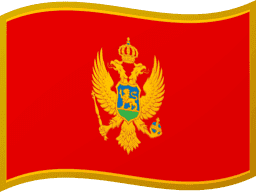
Montenegro flag

Montenegro

Montene-baa-o

Flockulation (1961-2021)

249K199K150K99.7K49.9K0Montenegro sheep roaming along the trend lineMontenegro sheep roaming along the trend lineMontenegro sheep roaming along the trend lineMontenegro sheep roaming along the trend lineMontenegro sheep roaming along the trend lineMontenegro sheep roaming along the trend lineMontenegro sheep roaming along the trend line20062021

1961

249,281

2021

181,909

Change

-67,372

Overview

Montenegro is a tiny Balkan gem where dramatic mountains meet the Adriatic Sea — a land so scenic even the sheep stop to admire the view. This small but mighty country packs fjords, forests, and medieval towns into one woolly wonderful package.

Geography

Nestled between the Adriatic coast and the Dinaric Alps, Montenegro features the Bay of Kotor, Lake Skadar, the Tara River canyon, and Mount Lovćen. Its climate ranges from Mediterranean on the coast to alpine inland, with Žabljak being one of Europe's highest towns.

History

Montenegro has a proud history of resisting Ottoman rule, maintaining de facto independence for centuries. It became a kingdom in 1910, joined Yugoslavia after WWI, and declared independence from Serbia in 2006 following a close referendum — a small nation with a very stubborn flock.

Culture

Montenegrins celebrate a rich oral epic poetry tradition, with the gusle (a one-stringed instrument) central to folk culture. The Boka Navy festival and Carnival of Kotor are beloved events. Serbian is the primary language, and Orthodox Christianity shapes many customs and holidays.

Economy

Tourism, energy, and aluminum production are key economic pillars. Montenegro joined NATO in 2017 and is an EU candidate country. Sheep and goat farming remain important in highland regions, contributing to dairy and wool production in the pastoral interior.

Food

Montenegrin cuisine features njeguški pršut (smoked ham), kajmak (creamy dairy spread), and lamb roasted under a peka (bell-shaped lid). Sheep's milk cheese from the Njeguši village is legendary — proof that the local flocks are doing seriously delicious work.

Tourism

The Bay of Kotor, a UNESCO-listed natural and cultural wonder, draws millions. Budva's old town and beaches, Durmitor National Park, Ostrog Monastery carved into a cliff, and the Tara River canyon are must-see destinations for any wandering sheep or human traveler.

People

Montenegro has a population of around 620,000. Montenegrins, Serbs, Bosniaks, and Albanians make up the main ethnic groups. Montenegrins are famously known for their proud, independent spirit — a flock that has never been easy to herd in any direction it didn't choose itself.

Nature

Durmitor National Park shelters bears, wolves, and chamois amid glacial lakes and ancient forests. Lake Skadar is a vital bird sanctuary. The Tara River canyon is Europe's deepest. Montenegro's diverse ecosystems range from coastal wetlands to alpine meadows where sheep graze freely.

Fun Facts

Montenegro literally means 'Black Mountain' in Venetian Italian. It was one of the first countries to declare neutrality in WWI. Ostrog Monastery sits 900 meters up a sheer cliff face. Montenegro has more sheep per capita than most European nations — a statistic the sheep are very proud of.