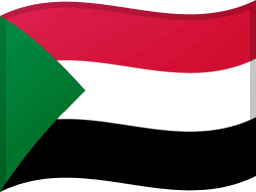
Sudan flag

Sudan

Su-baa-n

Flockulation (1961-2021)

41M32.8M24.6M16.4M8.2M0Sudan sheep roaming along the trend lineSudan sheep roaming along the trend lineSudan sheep roaming along the trend lineSudan sheep roaming along the trend lineSudan sheep roaming along the trend lineSudan sheep roaming along the trend lineSudan sheep roaming along the trend line20122021

1961

39,483,000

2021

41,010,257

Change

+1,527,257

Overview

Sudan is a vast northeastern African nation where the desert meets the Nile and hardy sheep have roamed for millennia. This woolly-wonderful land blends ancient civilizations, diverse cultures, and sweeping landscapes that would make any flock feel right at home.

Geography

Sudan spans over 1.8 million square kilometers, featuring the Nubian Desert, the fertile Nile Valley, and the Red Sea Hills. The Blue and White Niles meet at Khartoum, while the south holds savanna grasslands perfect for grazing flocks.

History

Home to the ancient Nubian kingdoms of Kush and Meroe, Sudan later saw Islamic sultanates, Ottoman influence, and British-Egyptian co-rule. Independence came in 1956, followed by decades of complex political change, including South Sudan's secession in 2011.

Culture

Arabic and Nubian traditions blend in Sudan's rich cultural tapestry. Music features the oud and tambour instruments, while zar ceremonies and sufi whirling dervishes dazzle onlookers. Eid celebrations involve communal feasting, often featuring lamb as the star of the table.

Economy

Sudan's economy relies on agriculture, livestock, gold mining, and oil. Sheep and camels are vital livestock exports. The country holds significant gold reserves, and the Nile-fed agricultural zones produce sorghum, sesame, and cotton for domestic and export markets.

Food

Ful medames, a spiced fava bean dish, is a daily staple. Asida, a thick sorghum porridge, and kisra flatbread accompany hearty stews. Lamb features prominently in celebratory meals, slow-cooked with aromatic spices that would make any sheep feel legendary.

Tourism

Visitors flock to the Pyramids of Meroe, Sudan's stunning lesser-known ancient wonders. Khartoum's National Museum, the ancient city of Kerma, and the Red Sea coast near Port Sudan offer history, culture, and diving adventures in one remarkable package.

People

Sudan's population of over 45 million includes Arab, Nubian, Beja, Fur, and many other ethnic groups. Arabic is the official language, though dozens of regional languages thrive. Sudanese people are widely noted for their legendary hospitality and warmth toward guests.

Nature

Sudan hosts diverse ecosystems from the Sahara Desert to Red Sea coral reefs. Dinder National Park shelters lions, leopards, and antelopes. Nile crocodiles patrol the great river, while desert-adapted Nubian ibex and various migratory birds add to the natural spectacle.

Fun Facts

Sudan has more ancient pyramids than Egypt, with over 200 at Meroe alone. The Blue Nile contributes about 85% of the Nile's total water volume. Sudan is one of Africa's top sheep-producing nations, with tens of millions of sheep in its national flock.