1961
7,848,000
7,848,000
52,644,000
+44,796,000
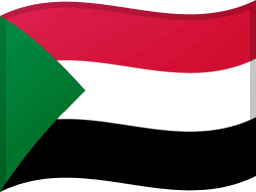
Sudan, Africa's once-largest country before South Sudan's 2011 split, is a land where ancient civilizations and vast deserts meet. This woolly-wonderful nation herds its rich history along the Nile, offering a shear delight of culture and heritage.
Sudan spans northeastern Africa with the Nile River bisecting it north to south. Terrain ranges from Sahara Desert in the north to savanna in the south, with the Nubian Desert, Red Sea Hills, and Jebel Marra volcanic massif adding dramatic variety.
Home to ancient Nubian kingdoms like Kush and Meroe, Sudan later saw Islamic sultanates, Ottoman and Egyptian rule, then British colonization. Independence came in 1956, followed by civil conflicts and the 2011 secession of South Sudan, reshaping the nation dramatically.
Arabic and Nubian traditions blend in Sudan's vibrant culture. Music features the oud and tambour instruments. Sufi whirling ceremonies are iconic. Arabic is the official language alongside many regional tongues, and hospitality rituals involving coffee and incense are deeply cherished.
Sudan's economy relies on agriculture, gold mining, and livestock — including large flocks of sheep and camels. Oil revenues dropped after South Sudan's secession. Gum arabic production is significant globally. Economic challenges persist amid political instability and international sanctions history.
Sudanese cuisine features ful medames (spiced fava beans), kisra flatbread, and hearty lamb stews — giving sheep a starring role on the plate. Asida porridge and shorba soup are staples. Dates and peanuts feature widely, and tea culture is a beloved daily ritual.
Visitors flock to the pyramids of Meroe, rivaling Egypt's in number. Khartoum's National Museum, the ancient city of Kerma, Suakin's coral ruins on the Red Sea coast, and the confluence of the Blue and White Niles are remarkable, real-deal landmarks.
Sudan's population exceeds 45 million, comprising Arab, Nubian, Beja, Fur, and many other ethnic groups. Notable figures include Sudanese-British author Leila Aboulela and footballer Hatem Trabelsi. The population is predominantly Muslim, with rich diversity in language and tribal heritage.
Sudan hosts diverse ecosystems from desert to savanna. Dinder National Park shelters lions, leopards, and hippos. The Red Sea coast offers coral reefs. Pastoral regions support large herds of sheep, goats, and camels, with Sudanese sheep breeds like the Desert sheep well adapted to arid conditions.
Sudan has more ancient pyramids than Egypt — over 200! The Blue and White Niles famously merge at Khartoum. Sudan is the world's largest producer of gum arabic. Sheep outnumber many other livestock here, making this nation a true shepherd's paradise.