1961
2,000
2,000
1,024
-976
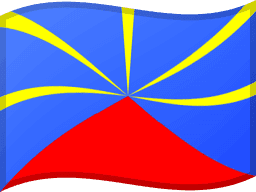
Ewe'd better believe Réunion is one of the most stunning islands in the Indian Ocean! This French overseas territory blends volcanic drama, tropical lushness, and vibrant Creole culture into one spectacular flock-worthy destination.
Réunion sits east of Madagascar in the Indian Ocean. The island features the active Piton de la Fournaise volcano, the towering Piton des Neiges, dramatic cirques like Cilaos and Mafate, lush rainforests, and beautiful coastal lagoons.
Uninhabited until the 17th century, Réunion was settled by the French East India Company around 1642. It became a key stopover for trade routes, later developed sugar plantations using enslaved labor, and has been a French overseas department since 1946.
Réunion's Creole culture is a rich blend of African, Indian, European, and Chinese influences. Maloya music, a UNESCO-recognized art form, pulses through festivals. French and Réunionese Creole are widely spoken, and colorful religious celebrations reflect the island's diverse heritage.
Réunion's economy relies heavily on sugar cane production, tourism, and French public-sector employment. It imports most of its goods and receives significant financial support from mainland France, making it one of the more prosperous islands in the Indian Ocean region.
Réunionese cuisine is a flavorful Creole fusion. Rougail saucisse, a spicy sausage stew, is a beloved staple. Carry (curry) dishes with chicken, fish, or lentils are popular, often served with rice and achards, a tangy pickled vegetable condiment.
Visitors flock to the Piton de la Fournaise volcano, the remote Cirque de Mafate accessible only by foot or helicopter, and the lush Cirque de Cilaos. The lagoon beaches of Saint-Gilles-les-Bains and the Réunion National Park are also major draws.
Réunion's population of roughly 900,000 is one of the world's most ethnically diverse, blending Creole, Indian, Chinese, and European communities. Notable figures include poet Leconte de Lisle and footballer Dimitri Payet, who hails from the island.
Réunion National Park, a UNESCO World Heritage Site, protects extraordinary biodiversity including endemic birds like the Réunion harrier. The island hosts tropical forests, dramatic lava fields, and the active Piton de la Fournaise, one of the world's most active volcanoes.
Réunion has no native land mammals apart from bats. The Piton de la Fournaise erupts several times a year on average. Réunion is home to one of the world's most diverse coral reef ecosystems, and the island drives on the right side of the road.